

The use of curcumin in HPV

 10 MIN
  ALMAGEA
  10.01.2024
10 MIN ALMAGEA 10.01.2024
Humani papiloma virusi (HPV) uzrokuju češće benigne epitelne lezije, ali i karcinom. Tek dugotrajna infekcija s nekim od visokorizičnih tipova HPV-a dovest će do intraepitelne lezije visokog stupnja i na kraju karcinoma. Onkogeni potencijal HR-HPV oslanja se na ulogu glavnih onkoproteina E6 i E7, koji se vežu pa inaktiviraju ili suprimiraju dva glavna stanična tumor-supresorska gena: p53 i retinoblastoma protein (pRb). Kontinuirana ekspresija ovim onkoproteinima može dovesti do transformacije zaraženih stanica. Oba onkoproteina – E6 i E7 – surađuju u indukciji transformacije epitelnih stanica interakcijom s brojnim staničnim proteinima domaćina, regulatorima stanične aktivnosti.


Potencijal nekonvencionalnih metoda liječenja je u eliminaciji HPV-a u ranim fazama infekcije kada virus nije ugrađen u genom stanice domaćina ili u suzbijanju ekspresije virusnih onkogena koji remete regulacijski ciklus stanica domaćina kao rezultat preobrazbe. Dugotrajna perzistencija određenih tipova HR-HPV, posebno tip 16 i 18 je preduvjet za razvoj intraepitelne neoplazije cerviksa (CIN). Međutim, infekcija HPV-om je najčešće prolazna pojava. Nakon infekcije, virus može perzistirati neko vrijeme što dovodi do razvoja lezije niskog stupnja gdje je virus prisutan u integriranom obliku te se tijekom vremena (15 – 20 godina) razvija u karcinom.
According to the natural history, HPV infections most often show spontaneous clearance (transient infection), however, persistence of high-risk HPV infection for a year or more increases the risk of progression to cancer.On the one hand, low grade lesions (LSIL) should not be treated (ablation/excision) but monitored.
Along with already known antioxidant vitamins such as: A, E, C and folic acid, green tea and curcumin also take their place in improving the health of the reproductive organs. Although low-grade lesions usually have homogeneous, genetically stable viral replication, in immunocompromised individuals, therapy focuses on resolving these lesions as early as possible to prevent viral entry, replication, and latency, and thus relapse.
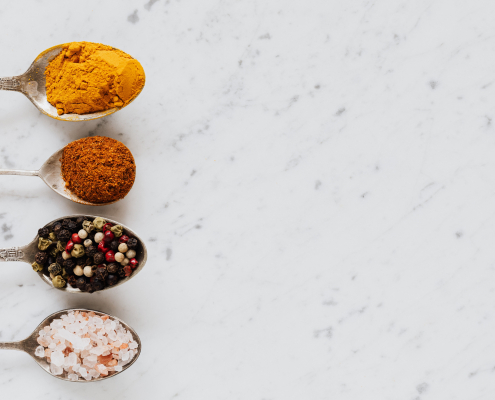
Curcumin (diferuloylmethane, polyphenol from turmeric powder (lat.Curcuma longa) is a powerful antioxidant that exhibits anti-inflammatory and antitumor properties.
The results of studies from the USA, India, Malaysia, Iran and countries where curcumin has been used since the beginning of Ayurvedic medicine, provide attractive data on the possible use of curcumin in the therapy of tumors caused by HPV as well as the use of its anti-inflammatory and antiviral properties.
Curcumin has been clearly shown to alter the molecular pathways of HPV in cervical cancer cells. So, it can be effective in the prevention and treatment of cervical cancer.
Author: Maja Gudelj, MD, specialist in gynecology and obstetrics
Literature:
1. Prusty BK, Das BC. Constitutive activation of transcription factor AP-1 in cervical cancer and suppression of human papillomavirus (HPV) transcription and AP-1 activity in HeLa cells by curcumin. Int J Cancer. 2005 Mar 1;113(6):951-60.
2. Ravindran, J., Prasad, S., Aggarwal, B.B. Curcumin and cancer cells: How many ways can cure and kill tumor cells selectively. APPS J. 11: 495-510 (2009).
3.US National Institute of Health; http://clinicaltrials.gov/ct/search?term = curcumin/ (accessed August 23, 2011).
4. Zhou, H.; Beevers, C.S., Huang, S. The targets of curcumin. Curr. Drug Targets, 12:332-347 (2011).
5. Strimpakos, A.S., Sharma, R.A. Curcumin: Preventive and therapeutic properties in laboratory studies and clinical trials. Antioxid. Redox Sign. 10, 511-545 (2008).
6. Basnet, P., Skalko-Basnet, N. Curcumin: An anti-inflammatory molecule from a curry spice on the path to cancer treatment. Molecules, 16: 4567-4598 (2011).
7. Diane M. Maher, Maria C. Bell. Curcumin suppresses human papillomavirus oncoproteins, restores p53, rb, and ptpn13 proteins and inhibits benzo[a]pyrene- induced upregulation of HPV E7. Mol. Carcinog. January 2011, 50: 47-57
8. Grca et al., The transforming properties of human papillomavirus oncoproteins, Periodicum biologorum, Vol.114 No.4 September 2012.
9. Bharti AC, Shukla S, Mahata S, Hedau S, Das BC. Yes. Anti-human papillomavirus therapeutics: facts & future, Indian J Med Res 130, September 2009, pp 296-310
10. Basu P1, Dutta S, Begum R, Mittal S, Dutta PD. Clearance of cervical human papillomavirus infection by topical application of cur cumin and curcumin containing polyherbal cream: a phase II randomized controlled study. Asian Pac J Cancer Prev. 2013;14(10):5753-9.
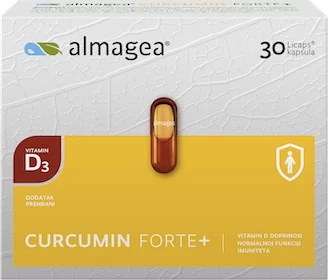
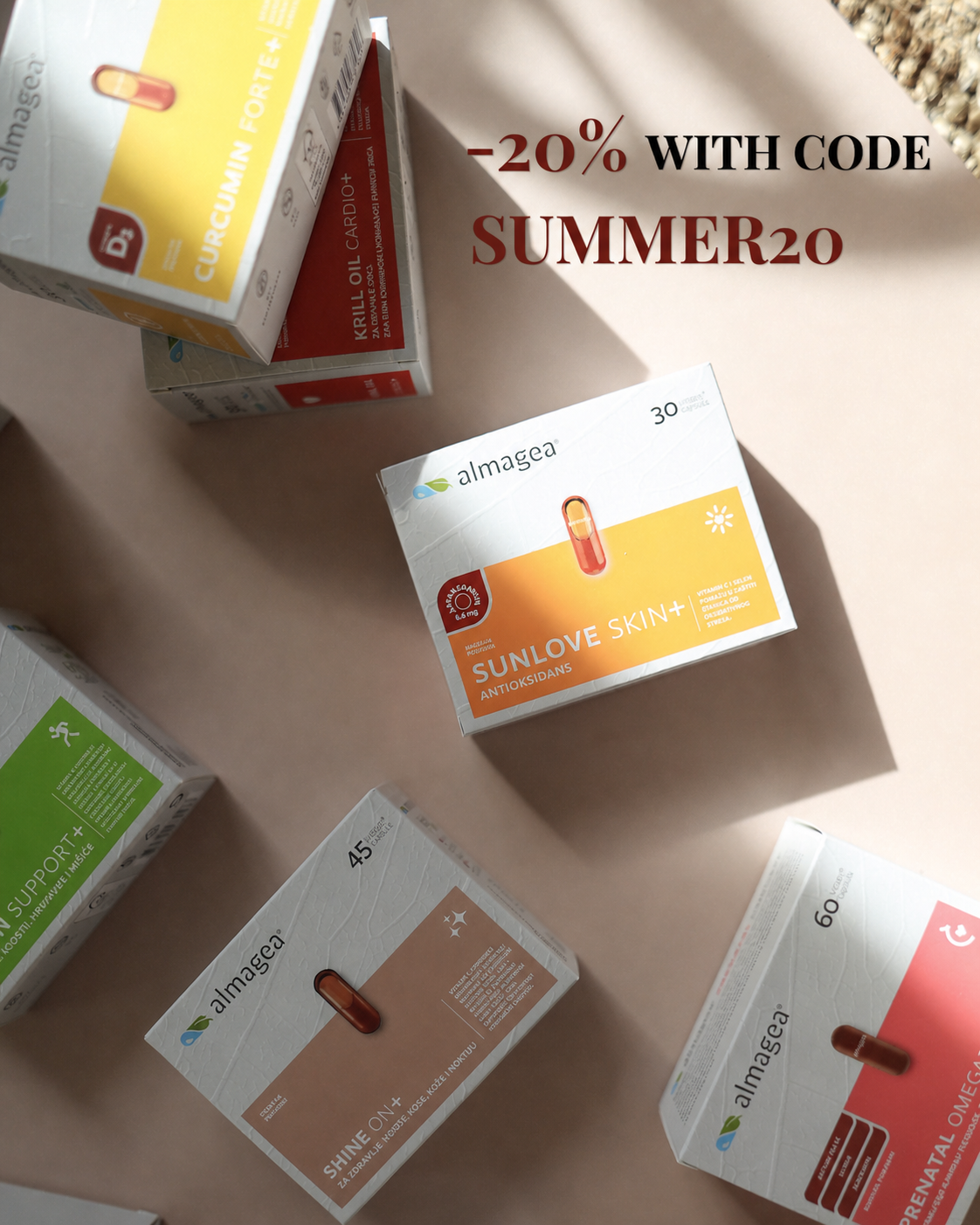
Support for the body's natural defenses with the power of curcumin and vitamin D.
22.47 €


Get to know us
Dietary supplements
Information
Let's connect
© 2024. Almagea d.o.o., Ulica Julija Knifera 4, 10 020 Zagreb
Fixed conversion rate: €1 = HRK 7.5345
buy quickly and safely