
Skin care throughout the year

 7 MIN
7 MIN  ALMAGEA
  16.01.2024
7 MIN ALMAGEA 16.01.2024
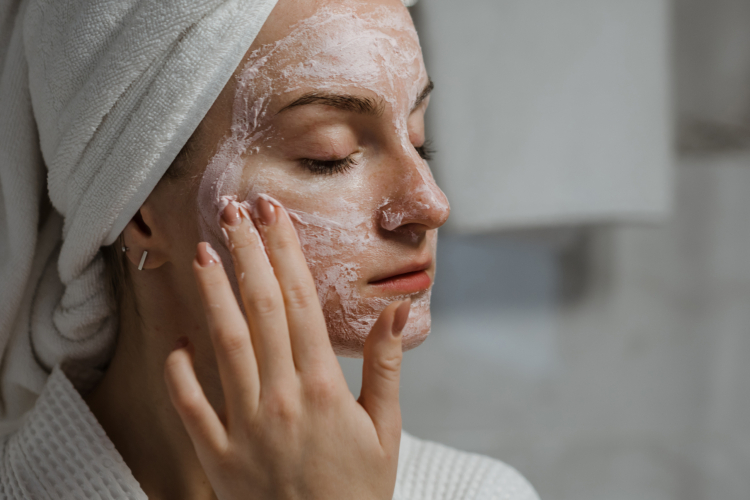
Lijepa koža prvi je vanjski znak ljepote, ali i pokazatelj naših prehrambenih navika. Pravilnom prehranom koju odlikuje bogatstvo nutrijenata, posebice vitamina, minerala, biljnih kemikalija i pravilan odabir masnoća, možete učiniti mnogo za prvi dojam koji ostavljate na druge – svoj vanjski izgled. Uz prehranu, sve se češće preporučuju i dodaci prehrani dizajnirani upravo u svrhu očuvanja zdravlja i ljepote kože.
Nutritivna terapija, ili unutarnja njega kože, podrazumijeva uzimanje dodataka prehrani koji će iznutra poboljšati zdravlje i izgled kože. Osim što općenito pridonose izgledu i zdravlju kože, posebno dizajnirani pripravci mogu pružiti dodatnu blagodat – zaštititi kožu od oštećenja uzrokovanih okolišnim čimbenicima. Tu se posebice ističe zaštita kože od posljedica izlaganja suncu.
Moreover, by properly taking these "protector" nutrients through food supplements, we can prepare the skin for exposure to the sun, reduce damage and the appearance of sun allergies, and keep a tan for longer.
From this group of powerful antioxidants and active substances present in the animal and plant world, the red pigment astaxanthin stands out in particular. Lutein also comes from this group of pigments, but it is responsible for the yellow color of various fruits and vegetables, and it is important for us to preserve the health of our eyes.
The best natural source of astaxanthin is microalgae Haematococcus pluvialis.The basic property of astaxanthin is its strong antioxidant activity, which protects cell membranes and other cellular parts from damage, even 500 times stronger than vitamin E and 10 times stronger than the well-known beta carotene. Thanks to this exceptional protective effect, astaxanthin is increasingly popular as a dietary supplement in dermatology. Namely, it has been shown to have the ability to prevent skin damage caused by UV radiation, reducing the overall consequences photoaging skin and is significantly more effective in preventing these damages than other known carotenoids: beta-carotene and lutein.
Today it is clear that timely intake of astaxanthin can be a very useful "internal" protection that should be combined with responsible exposure to the sun and appropriate external protection against UV radiation (cream with a protective factor).
The recommended dose of astaxanthin ranges from 4 to 12 mg per day (more than that is simply not necessary), and it can be taken throughout the year, but with a special emphasis on the summer months. Thanks to its anti-inflammatory effect in chronic dermatological problems, astaxanthin is also used in the indicated indications (dermatitis, acne, psoriasis and vitiligo). At the same time, it should be kept in mind that it must be taken as a dietary supplement at least one month before exposure to the sun in order for its protective effect to come to the fore. Studies have proven the protective effect of astaxanthin on our DNA, against damage caused by free radicals, and through this function it shows "anti-aging" effect.Therefore, the following results of numerous studies are not surprising: adequate intake of astaxanthin has a positive effect on the health and appearance of the skin by reducing the appearance of wrinkles, ensuring moisture, improving skin tone and elasticity. When taking astaxanthin, it would be good to pay attention to whether the preparation contains natural or synthetic astaxanthin. Namely, it is synthetically obtained from petrochemicals and has a 20 times weaker effect than the natural one.
Unsaturated fatty acids play an exceptional role in preserving the health of the skin and protecting it from the effects of the sun's rays. The content of unsaturated fatty acids, which play a key role in creating the lipid barrier of the skin and mitigating irritations on it, are particularly notable in the oils of borage seeds, argan and oil palm fruit.
When enough vitamin E is ingested, it reaches the membrane of skin cells and manifests its protective effect there. Borage oil is obtained from the seeds of the plant Borago officinalis and contains gamma-linolenic acid, a fatty acid from the group of omega-6 fatty acids, while argan oil is a product of cold pressing of the seeds of the tree fruit Argania spinosa.Oil palm fruit Elaeis guineensis it is characterized by its rich content of tocotrienols and tocopherols, one of the 8 forms of vitamin E.
Selenium, an essential element with numerous important tasks, should be singled out among micronutrients that protect the skin. In addition to protecting cells from oxidative stress, selenium contributes to the maintenance of normal hair and nails. When we talk about the skin, coenzyme Q is also an important ingredient10 which has an extremely favorable effect, especially due to its antioxidant effect thanks to the property of protection against harmful solar radiation. Furthermore, this coenzyme occupies an important place in the so-called "anti-aging" medicine because it has been proven to reduce the formation of wrinkles - applied externally (usually in creams) and internally (in nutritional supplements). The mechanism responsible for such action is stimulation of collagen and elastin synthesis, skin renewal and antioxidant action.
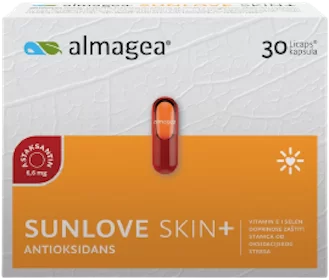
Skin care from the inside all year round and protection against oxidative stress.
23.98 €


Get to know us
Dietary supplements
Information
Let's connect
© 2024. Almagea d.o.o., Ulica Julija Knifera 4, 10 020 Zagreb
Fixed conversion rate: €1 = HRK 7.5345
buy quickly and safely